Direct Store Delivery for Retailers 

As more and more demand and competition starts to increase, you may wonder if there are new ways to make the supply chain more efficient. Some people have looked to optimize this by improving this and shaving off some of the costs. 

Some retailers however may want to cut out the supply chain period and opt for what’s called direct store delivery. the problem with this, however, is that it’s not easy to put together nor is it considered the best option, but when you put this in correctly, it can offer some massive savings to your costs, and a host of other benefits that will help businesses get a huge advantage down the line. 
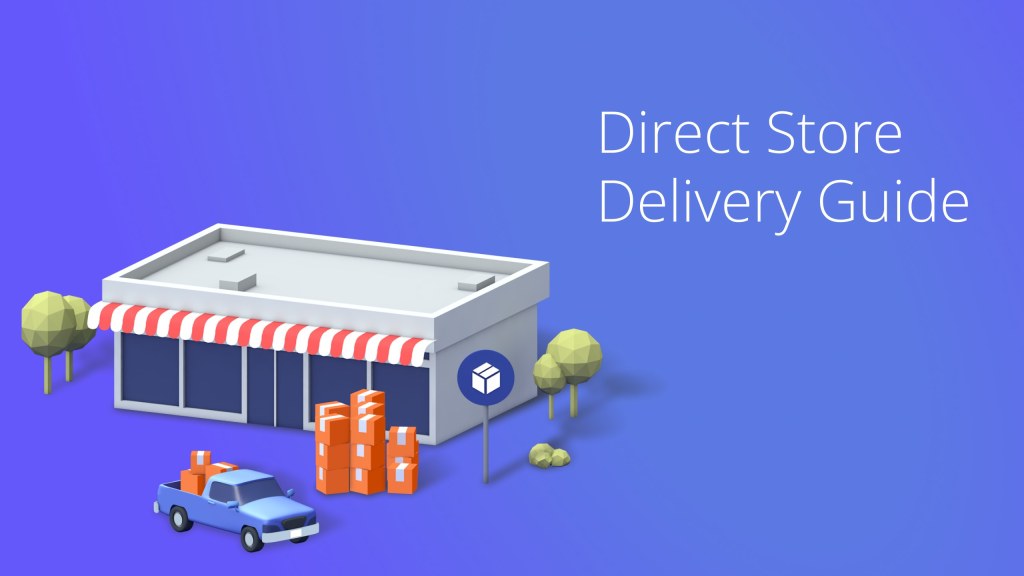
What is it and the Benefits? 

You might wonder what this is. Basically, this is when you have the manufacturer of something delivers directly ships it to a specific location, rather than using a distribution center to help do the job. 

The benefits of this is that it’s good for those who want something a bit more simplified, and it helps to offer the suppler the good that you need, and it helps reduce how much you’re going to spend, properly streamlines it, and overall is a better option. 

When to get this 

If you’re a supplier that does use fresh foods and perishables, the higher your expiration date risk and the shorter the shelf life of the inventory is, this can definitely be something that’s a challenge, and it ca be an opportunity for you to create something that’s been made so that you don’t have to worry about it being damaged 

This also is great for fragile items as they’re moved far less, and the perishables get to the shelves in a quicker fashion, which is something that a lot of grocery stores do use. 

It also is good for those who don’t want to spend the extra money to store the item in the warehouse, and it also reduces the different expenses that come with this too, and it can be something that’ll help with maintaining, renting, or even with staffing expenses, cutting down all of these. 

It also is good if you need something that has a lot of inventory turnover, and it can be something that you can have traveling directly from the suppliers directly to there. This helps it be availible, and it also has the highest turnover of the inventory, which is good for a lot of stores as well who have limited space. 

It also is good if you’re a business that thrives on proper customer experience. If you don’t want things to be out of stock and get people upset, it’s something to consider, as this can help get the items to them a lot quicker. 

The challenges 

That isn’t to say it’s all that easy. In fact, it can be a challenge. While direct store delivery does get rid of the labor and warehousing, because of the urgency, it can make the transit costs rise. It also is definitely someone who works with SKUs, and if you have to correct problems that are happening. 

It is something as well which can be a problem if you do DTC fulfillment. While you may have a micro-fulfillment facility, you’ve got to watch the inventory levels, since this can be quite expensive. 
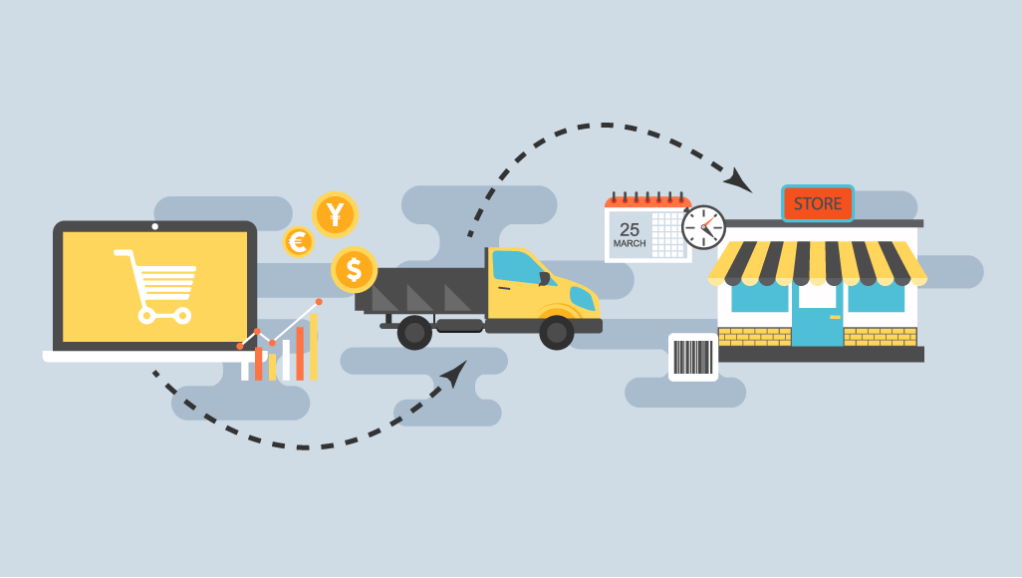
Finally, it can sometimes be hard if you don’t have the personnel to maintain he stock. It can however be a good option if you need it to be shipped out fast, and if you’re working with fragile items, it’s a must to use.

How to Reduce Waste Metrics that the Packaging Waste Analytics Tell you 

Packaging waste analytics are becoming very popular with companies and consumers. Analytics are numbers, measuring many different facets. With packaging waste analytics, you track the material use of such items, any loss or gain of packaging, and consumer behavior on disposal or recycling.   It may tell you about how many people are recycling, and how many have tossed the items. 

Reducing waste is important for companies, and using analytics is a great thing. Here, we’ll tell you how to use this data, and why it matters. 

Sensors and Digital Twins in Shipping Supplies 

A lot of companies will add sensors and also a twin digitally paired with the physical package. Throughout the journey, from sending out to getting to the customer to even disposal, this can be followed, like a story. 

When the customer tosses the item in the trash, it’s recorded. On the flip side, when you are sending it out to the recycling center, that also gets recorded. 

It also will tell you if the items’ been damaged, any wear and tear on the packaging and whatnot. 

This tells you about how the item fares in transit, and also any inefficiencies that come with packaging transitions. 

Lifecycle Data in Packaging 

A lot of brands are also looking at the packaging lifecycle data. This tells you where it’s going, but also how many times the item gets reused. For instance, maybe your item gets reused five times before it’s tossed away forever, through the recycling centers. Others might tell you how many returns are happening, and the costs of those on the systems. 

Adjusting one’s design based on the levels of returns is good to minimize this. 

There’s also the disposal analytics, which tell you how ecofriendly your items are for disposal. 

Finally, you’ve got usage data, telling you all about whether or not the items just end up in a landfill at the end of the day, or something else. 

Tools for SMEs to Run Waste Audits 

Now, a lot of companies are curious about this, but how do you run waste audits with this data? 

Simple KPIs are one example. These will tell you if people are tossing their items, or if something else is happening. 

Apps are also used. Adjusting an app to fit this is but one example. They tell you, based on statistical and historical data, how many are currently tossing their items.

There’s also measurement methods, which will measure out exactly how much is being tossed away. 

Again, all of these come together, and with these tools, businesses can check from the comfort of their office or at the production facility, the state of things. pretty nifty, huh. 

Data and Design Thinking 

But data is only as useful as the designs that come from such data, right? 

That’s why, when you have this data, you need to translate this to proper design, in order to push for sustainability.

One example is that if you have a lot of returns, adjust the packaging for this. add some eco friendly void fill and other items. 

If the problem is not enough recycling, then the solution is you have to make sure that recycling’s made easy with these items. 

Overall, packaging waste analytics are tools which are used to help you do better with your packaging. But it all comes down to how you use it. packaging is only as good as the items that are inside, as good as your items are able to withstand the changes, so use the data correctly for great results.